
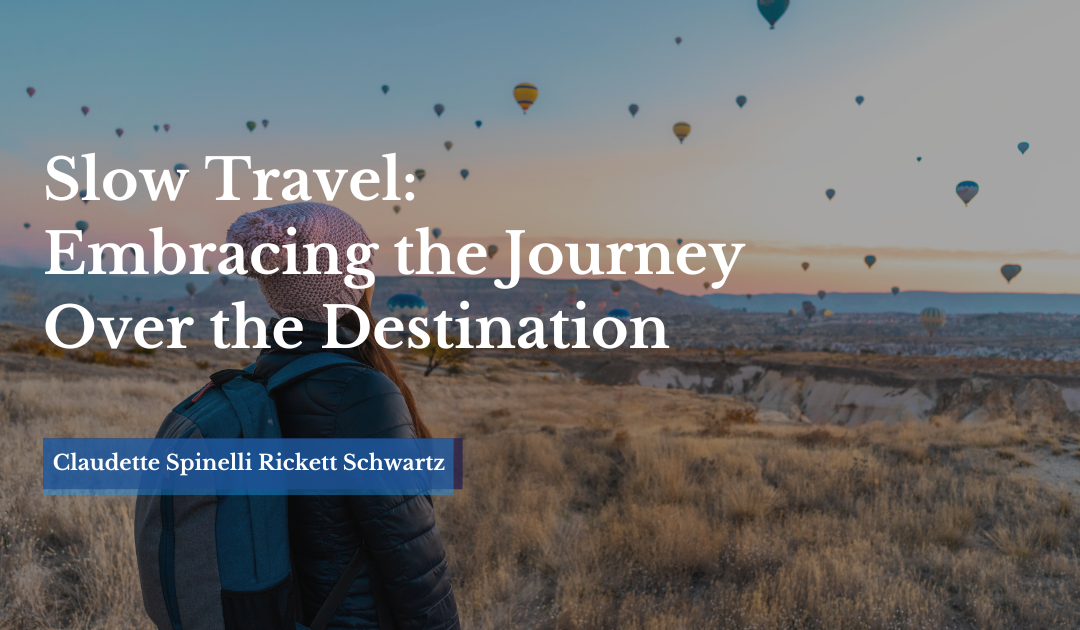
In a world that often prizes speed and instant gratification, travel is also becoming fast-paced. Itineraries are jam-packed, must-see checklists dominate travel blogs, and there’s constant pressure to capture the perfect photo for social media. But a growing number of travelers are choosing a different path—one that values presence, depth, and genuine connection. This movement, known as slow travel, is reshaping how we explore the world.
Slow travel is not about moving in slow motion; it’s about intentionally immersing yourself in a place, its culture, and its rhythm. It encourages travelers to stay longer, dig deeper, and form more meaningful connections with local communities and environments. Instead of rushing through ten cities in ten days, slow travelers might spend a week—or even a month—in one village, learning the language, shopping at local markets, and becoming part of daily life.
The heart of slow travel lies in the belief that less is more. When you slow down, you begin to notice the nuances that are easy to miss during whirlwind trips: the quiet charm of a narrow alley, the taste of a family recipe shared by a local host, or the stories told by an old shopkeeper whose family has lived in the town for generations. These small moments often become the most treasured travel memories.
One of the greatest benefits of slow travel is a richer cultural experience. Spending more time in one place allows travelers to go beyond surface-level tourism and engage with the culture on a personal level. Whether it’s attending a neighborhood festival, volunteering with a local initiative, or simply chatting with residents over coffee, these experiences foster empathy, understanding, and respect.
Slow travel also has a positive impact on the environment. Fewer flights, reduced transportation use, and a lower demand for mass tourism infrastructure all contribute to more sustainable travel. As climate change becomes a growing concern, travelers are becoming more conscious of their ecological footprint. By staying longer in fewer places, slow travelers help reduce carbon emissions and ease the strain on over-touristed areas.
From a practical perspective, slow travel can be more affordable. Choosing local guesthouses over luxury hotels, cooking meals with ingredients from the local market, and avoiding expensive tourist traps can stretch a travel budget further. It also opens the door to experiences that money can’t buy—like a homemade dinner with new friends or a spontaneous hike led by a local guide who knows the land better than any map.
For digital nomads and remote workers, slow travel offers a way to blend productivity with exploration. Working from a mountain village in Portugal or a coastal town in Mexico allows travelers to maintain their responsibilities while soaking in new environments at a comfortable pace. The rise of remote work has made it easier than ever to adopt a lifestyle that embraces movement without constant motion.
The slow travel mindset can also improve well-being. The constant go-go-go of traditional vacations often leaves people feeling more exhausted than refreshed. By taking time to breathe, reflect, and connect, travelers return home rejuvenated and inspired. It becomes a journey not just through geography, but through personal growth and inner calm.
Of course, slow travel is not without its challenges. It requires flexibility, patience, and a willingness to adapt to local customs and slower paces of life. It also means accepting that you won’t see everything—and realizing that’s perfectly okay. The goal is not to conquer a destination but to become part of its story, however briefly.
In a culture obsessed with bucket lists and Instagrammable moments, slow travel invites us to travel more mindfully. It reminds us that exploration isn’t about how many places we visit, but how deeply we experience them. By embracing the journey rather than racing toward the next destination, we rediscover the true magic of travel: connection, curiosity, and presence.
Whether you’re planning your next trip or dreaming of distant lands, consider slowing down. The world reveals its most beautiful secrets not to those who rush through it—but to those who take the time to truly see.